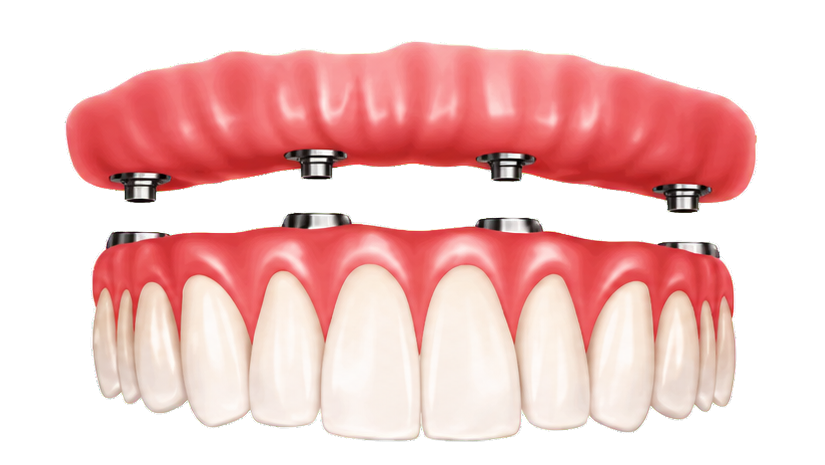

Understanding what is normal can make the adjustment period easier.
New Dentures May Feel Different at First
New dentures may initially feel larger, tighter or simply unfamiliar. They can feel awkward or a little loose while the muscles of your cheeks and tongue learn how to help keep them in position. A temporary increase in saliva can also occur.
These early changes do not necessarily mean that something is wrong.
Eating May Take Some Practice
Begin with softer foods that are easy to chew, then gradually return to a wider variety as you become more comfortable.
- Take smaller bites.
- Cut difficult foods into smaller pieces.
- Chew slowly.
- Try to chew on both sides of your mouth.
- Introduce firmer foods gradually.
The goal is not to rush. Give yourself time to learn how your new dentures work.
Speaking Can Feel Different Too
A new denture changes the space inside your mouth, so certain words or sounds may initially feel different. This is a normal part of adapting. Speaking and reading aloud can help you practise, and speech usually becomes easier as your tongue and other muscles adjust.
What About Sore Spots?
Some minor soreness or irritation can occur when you begin wearing new dentures. Persistent or worsening pain should not simply be ignored.
Follow-up appointments allow the fit to be checked and areas causing irritation to be adjusted. If a particular area becomes increasingly painful or makes eating difficult, contact your denturist.
Adjustments Are a Normal Part of Care
Dentures and mouths are individual. A small area can sometimes place more pressure on the gums than intended. A professional adjustment can often address the concern without changing the overall denture.
You do not need to put up with continuing discomfort simply because the denture is new.
Keep Your New Dentures Clean
Good cleaning habits should begin from the first day. Clean your dentures regularly, and continue daily care for your gums, tongue and remaining natural teeth.
Your denturist may provide specific instructions based on the denture material or the presence of a temporary or soft liner.
When Should I Contact the Clinic?
Contact your denturist if you experience:
- Persistent or worsening soreness
- A denture that repeatedly comes out of position
- Significant difficulty eating
- A sharp or painful area
- A crack or other damage
- Any change that concerns you
Give yourself time
Adjustment Happens Gradually
Eating, speaking and wearing new dentures usually become more natural with experience. Follow-up appointments give your denturist the opportunity to address areas that need attention.
If you recently received new dentures from Alvarez Denture Clinic and something does not feel right, contact us. We would rather have you ask than remain uncomfortable.